Chapter 1
The smell of cheap, synthetic grape wine will always be the scent of my rock bottom. It wasn’t just on his breath; it was seeping out of his pores, a sour, aggressive cloud that hit me seconds before he did.
My name is Elara Vance. I’m seven months pregnant, I have twenty-two dollars to my name, and until five minutes ago, my biggest worry was how to pay the electric bill in this crumbling Dayton apartment.
Now, I was staring into the bloodshot eyes of Officer Garrett Thorne, and I realized my worries were about to get a whole lot simpler, or entirely nonexistent.
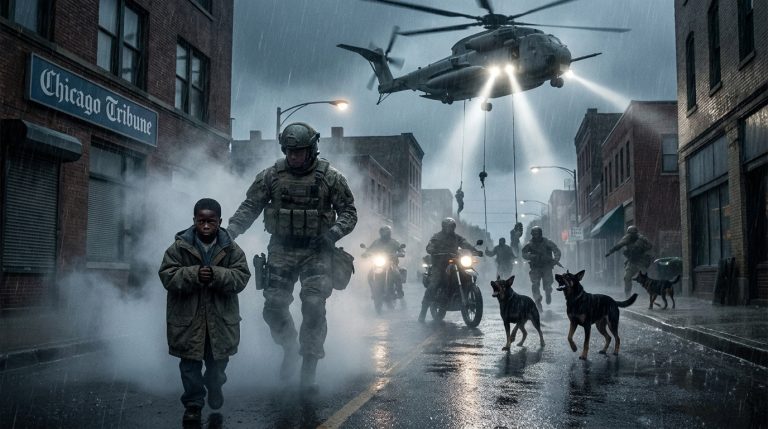
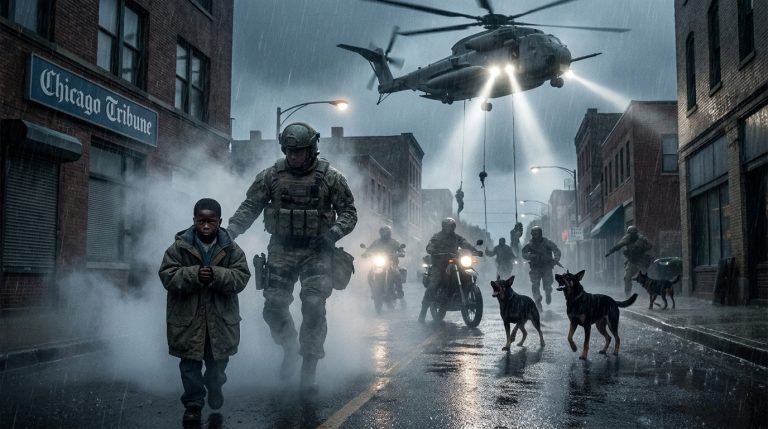
It started with a busted taillight. A classic. I was driving my ’09 Civic back from an extra shift at the diner, steam rising from the vents, praying the engine would hold together until I got home. I didn’t see the cruiser until the red-and-blue lights shattered the rainy night behind me.
I pulled over immediately. Hands on the wheel. Standard procedure.
Thorne didn’t walk up to the window; he marched. He was alone. When he rolled down the window, the odor of high-proof desperation rolling off him made me nauseous. He didn’t ask for license and registration.
“Get out of the car,” he slurred, his voice thick and dangerous.
“Officer, I… it’s raining, and I’m seven months…”
“Did I f***ing stutter?” He yanked the door open. His grip on my upper arm was visual evidence of his rage. He dragged me out onto the wet asphalt.
I stumbled, clutching my stomach. “Please, I didn’t do anything wrong.”
He pushed me against the cold metal of my car. In his other hand, I now noticed, he wasn’t holding a flashlight. It was a heavy, dark green wine bottle, nearly empty.
“ Wrong?” he sneered, his face inches from mine. “You exist, Elara. That’s what’s wrong. Another mouth to feed on the county’s dime. Another mistake.”
The psychological depth of his hatred was suffocating. This wasn’t about a taillight. This was about a dying man raging at the world. I knew Garrett Thorne. Not personally, but Dayton is small. Everyone knew the Thorne brothers. Aris was the saint, the cardiologist; Garrett was the sinner, the bully badge.
His eyes drifted down to my swollen belly. A sick smile twisted his lips.
“I’m cleaning the streets of your filth,” he whispered, a cinematic chill running down my spine, “one mistake at a time.”
He didn’t swing it like a baseball bat. He jabbed it. A short, brutal thrust.
The heavy glass bottle connected directly with my belly.
The pain wasn’t immediate; it was a white-hot shock wave that paralyzed my lungs. I didn’t scream. I couldn’t. I collapsed, my knees hitting the wet pavement with a sickening crack. I curled around my child, the agony finally blooming, massive and terrifying.
Thorne stood over me, swaying. He dropped the bottle. It didn’t break, just rolled away with a hollow clink. He looked down at me, not with remorse, but with the hollow satisfaction of a job done.
“Don’t get up,” he said, turning back toward his cruiser.
I lay there in the rain, the iron tang of blood filling my mouth. But as the world tilted, a cold, clear clarity settled over me. He had no idea.
With trembling hands, I reached into the waterproof bag I always kept in my oversized hoodie—my medical file. I managed to push myself up onto one elbow.
“Officer Thorne,” I croaked. My voice was weak, but the words were atomic.
He stopped, hand on his car door, not even looking back. “I told you to stay down.”
I looked at the puddle on the asphalt where my blood was mixing with the rainwater. Then I looked up at his retreating back, the man whose heart was a ticking time bomb, the man whose only hope was sitting right next to him.
“This child,” I said, loud enough for him to hear over the rain, “is the only bone marrow match for your failing heart.”
FULL STORY
Chapter 1
The smell of cheap, synthetic grape wine will always be the scent of my rock bottom. It wasn’t just on his breath; it was seeping out of his pores, a sour, aggressive cloud that hit me seconds before he did.
My name is Elara Vance. I’m seven months pregnant, I have twenty-two dollars to my name, and until five minutes ago, my biggest worry was how to pay the electric bill in this crumbling Dayton apartment. Now, I was staring into the bloodshot eyes of Officer Garrett Thorne, and I realized my worries were about to get a whole lot simpler, or entirely nonexistent.
It started with a busted taillight. A classic. I was driving my ’09 Civic back from an extra shift at the diner, steam rising from the vents, praying the engine would hold together until I got home to my cramped West Dayton neighborhood. I didn’t see the cruiser until the red-and-blue lights shattered the rainy night behind me, bouncing off the abandoned storefronts.
I pulled over immediately. Hands on the wheel at ten and two. That’s what my dad taught me. Standard procedure. Keep the situation calm.
Thorne didn’t walk up to the window; he marched. He was alone, which was strange. When he rolled down the window, the odor of high-proof desperation rolling off him made me nauseous. He didn’t ask for license and registration.
“Get out of the car,” he slurred, his voice thick and dangerous.
“Officer, I… it’s raining, and I’m seven months…” I gesture weakly to my belly, the baby kicking up a storm inside me.
“Did I f***ing stutter?” He yanked the door open. His grip on my upper arm was visual evidence of his rage, pinching the skin. He dragged me out onto the wet asphalt, the rain instantly soaking my oversized hoodie.
I stumbled, clutching my stomach instinctively. “Please, I didn’t do anything wrong.”
He pushed me, hard, against the cold metal of my car. In his other hand, I now noticed, he wasn’t holding a flashlight. It was a heavy, dark green wine bottle, nearly empty, a generic ‘Vineyard Reserve’ label peeling off the glass.
“Wrong?” he sneered, his face inches from mine, heat radiating off him. “You exist, Elara. That’s what’s wrong. Another mouth to feed on the county’s dime. Another mistake.”
The psychological depth of his hatred was suffocating. This wasn’t about a taillight. This was about a dying man raging at the world, and I was the nearest convenient target. I knew Garrett Thorne. Not personally, but Dayton is small. Everyone knew the Thorne brothers. Aris was the saint, the brilliant cardiologist who left town for Chicago; Garrett was the sinner, the bully badge who stayed, drinking his liver into failure.
His eyes, sunken and shadowed with terminal illness, drifted down to my swollen belly. A sick, hollow smile twisted his lips.
“I’m cleaning the streets of your filth,” he whispered, a cinematic chill running down my spine as the rain slicked his face, “one mistake at a time.”
He didn’t swing it like a baseball bat. He jabbed it. A short, brutal, focused thrust.
The heavy glass bottle connected directly with the center of my belly.
The pain wasn’t immediate; it was a white-hot shock wave that paralyzed my lungs. I didn’t scream. I couldn’t. I collapsed, my knees hitting the wet pavement with a sickening crack that I felt in my teeth. I curled around my child, the agony finally blooming, massive and terrifying. It felt like something had torn loose inside me.
Thorne stood over me, swaying, the bottle heavy in his grip. He looked down at me, not with remorse, but with the hollow satisfaction of a job done, the petty power of a dying man who had asserted his dominance one last time. He let the bottle fall. It didn’t break, just rolled away with a hollow clink across the asphalt.
“Don’t get up,” he said, turning back toward his cruiser.
I lay there in the rain, the iron tang of blood filling my mouth. I had twenty-two dollars, a broken car, and a dying baby. But as the world tilted, a cold, clear clarity settled over me. He had no idea.
With trembling hands, I reached into the waterproof bag I always kept tucked in my waistband—my medical file. I managed to push myself up onto one elbow.
“Officer Thorne,” I croaked. My voice was weak, but the words were atomic.
He stopped, hand on his car door, not even looking back. “I told you to stay down, garbage.”
I looked at the puddle on the asphalt where my blood was mixing with the rainwater. It was an abstract painting of my destruction. Then I looked up at his retreating back, the man whose heart was a ticking time bomb, the man whose only hope was sitting right next to him, and he had just tried to shatter it.
“This child,” I said, loud enough for him to hear over the rain, my voice gaining strength from pure, icy rage, “is the only bone marrow match for your failing heart.”
Chapter 2
The world stopped. The rain still fell, the lights of his cruiser still flashed, but Garrett Thorne froze as if I’d shot him. For three long seconds, he was a statue of aggressive denial. Then, he spun around, his boots splashing loudly in the puddles.
He loomed over me again, but the arrogance was replaced by a dangerous, cornered-animal volatility.
“What did you say?” His voice was low, trembling not with fear, but with an internal earthquake of shock. “Stop lying to save your skin, you worthless brat.”
I didn’t say a word. I just looked him in the eye, enduring the agony in my abdomen, and let the medical file slide from my numb fingers. It hit the wet pavement, the flap falling open.
He stared at it, the paper soaking up the grimy rainwater. He recognized the logo on the header: the Chicago Transplant Alliance.
Slowly, fighting his own drunken vertigo and the sudden weakness in his knees, Garrett knelt. He didn’t pick up the file; he didn’t want to touch it, as if it were radioactive. He used his flashlight to illuminate the rain-streaked page.
His eyes found his own name on the list. Candidate: Thorne, Garrett. Then, they moved down to the section for matched potential donors. Donor ID: Fetus 714-B (Vance, Elara). The HLA typing results were circled in red ink by Dr. Aris Thorne himself.
Match Probability: 100%.
The flashlight beam wavered. He stared at the words, the cognitive dissonance paralyzing him. He had just attacked his savior. The ‘filth’ he wanted to wipe from the streets was the literal cure for the disease eating him alive.
Garrett Thorne collapsed emotionally. The aggression evaporated, leaving a hollowed-out shell of a man. His face went gray. His hands trembled so violently he dropped the flashlight. He slumped back against my car, gasping for air, the realization of his monumental, self-destructive stupidity crushing him. He looked at me, lying in the rain, clutching my stomach where the bottle had struck, and for the first time, I didn’t see a bully. I saw a man looking at his own coffin, and he had built it himself.
“Elara…” he whispered, the name tasting like ash in his mouth.
“I need a hospital,” I said, my voice cold and hard. I was done begging. I now held all the cards, even if my hand was bleeding.
He didn’t move for another minute. He was stuck in a feedback loop of horror. He had just physically assaulted a pregnant woman, and in doing so, he might have killed his own future.
When he finally moved, it wasn’t with purpose. He stumbled over to me, hand outstretched, but then pulled it back, afraid to touch me, afraid of what he’d done.
“Can you… can you walk?” he asked, his voice unrecognizable.
I didn’t answer. I just grunted in pain and started to push myself up. He flinched every time I gasped. It took me five minutes to crawl to my feet, using my car door for support. He stood by, useless, watching me bleed.
“Get in,” he said, opening the rear door of his cruiser. He was standardizing the scene, trying to regain control. I didn’t care. I needed to know my baby was okay.
The ride to Dayton General was a silent nightmare. The scent of wine was replaced by the scent of ozone and the sterile cleaner of the car. Thorne didn’t use the lights or the siren. He drove at the speed limit, his hands white-knuckling the steering wheel. I could see him in the rearview mirror, his face a mask of primal panic. Every red light was an eternity.
I sat in the back, handcuffed, because that’s what bullies do when they are scared—they use the rules to maintain the illusion of power. The baby wasn’t kicking anymore. The icy clarity I’d felt on the pavement was being replaced by a terrifying, cold void. If I lost this baby, Garrett Thorne would live. I’d be in prison for some made-up charge, and he would get the transplant. That was how the world worked.
We pulled up to the emergency room entrance. He got out, came around, and opened my door. He unlocked the cuffs. He didn’t help me out.
“Inside,” he said. “Don’t say anything about the car. You fell.”
I looked at him, my expression dead. “You think that matters now?”
I stumbled into the ER. The receptionist took one look at me—pregnant, soaked, bleeding, accompanied by a pale, traumatized cop—and waved me through the triage doors immediately.
Garrett Thorne followed me in. He couldn’t leave. He needed to know if he had just killed himself.
Chapter 3
The ER was a chaotic symphony of monitors beeping and hurried footsteps. I was in a curtained bay within minutes. Nurse Sarah Jenkins, a woman whose pragmatic kindness I’d experienced during previous prenatal visits, was already setting up an ultrasound. She was efficient, which was good, because if she’d been overly emotional, I would have cracked.
“Elara, tell me exactly what happened,” she said, squeezing cold blue gel onto my belly. Her voice was soothing, a sharp contrast to the aggressive bark I’d been hearing all night.
Garrett Thorne was leaning against the doorframe of the bay, trying to blend into the shadows, a specter of impending doom in a police uniform. I looked at him. He looked like he was about to vomit.
“I fell,” I said. It was easier. If I told the truth, this became a crime scene. If this became a crime scene, the focus shifted from my baby’s heart rate to forensic evidence. I didn’t care about justice. I cared about survival.
Sarah paused, looking from my face to the perfectly shaped bruise forming on my belly—circular, consistent with the base of a wine bottle. She didn’t buy the ‘fell’ story for a second. Nurses see rock bottom every day. She looked at Thorne, her eyes narrowing. She knew him too.
“Thorne, you need to wait in the hallway,” she said, her tone professional but brook-no-argument.
He hesitated, his gaze locked on the ultrasound monitor, which was currently showing only static. His motivation was transparent: he needed to know if his genetic lifeline was still intact. “I’m the first responder…”
“I don’t care,” Sarah snapped. “This is a medical exam. You’re contaminating the field. Out.”
For perhaps the first time in his career, Garrett Thorne obeyed a command from a civilian without a fight. He shuffled backward into the hallway, the fluorescent lights reflecting off his empty, terrified face.
Sarah turned the monitor toward me. “Okay, let’s find that heartbeat.”
The room was silent, save for the hum of the machine. The static cleared, and the greyscale image of my baby came into focus. The silence stretched. Ten seconds. Twenty. Every second was a hammer blow to my own failing heart.
And then, there it was. Thump-thump. Thump-thump. Thump-thump.
It was weak. Slower than it should be. But it was there.
I let out a sound that was half-sob, half-laugh, the cinematic emotion overflowing. I sank back against the thin ER mattress. He was alive.
“Okay,” Sarah breathed, but her expression remained guarded. She started measuring things, clicking the mouse. “Heart rate is low. We have a suspected placental abruption. The bottle… whatever you fell on… caused a partial tear. We need to stabilize you both and prepare for an emergency C-section if things get worse.”
I nodded, gripping the bed rails. “But he’s okay?”
“He’s fighting,” she said softly. “You need to fight, too.”
She hooked me up to an IV and a fetal monitor. The continuous, slow thump-thump filled the bay. I was okay for the moment, but the psychological depth of the trauma was settling in.
Outside in the hallway, Garrett Thorne was facing his own consequence. He was sitting on a plastic chair, head in his hands, listening to that slow, weak heartbeat through the open curtain. It was the sound of his judgment.
“Sarah,” I whispered. She looked up from the chart. “Can I… can I make a phone call?”
She nodded and handed me the department’s cordless phone.
I dialed the number I had memorized but had never intended to use. It rang four times before a man answered, his voice thick with exhaustion.
“This is Dr. Thorne.”
“Aris,” I said, “It’s Elara Vance. You need to come home.”
Chapter 4
Dr. Aris Thorne arrived six hours later, looking exactly like the man I’d seen in newspaper photos—sharp, intense, and carrying a heavy burden of family pain. He walked into my hospital room in the high-risk maternity ward, and the air seemed to clear.
He didn’t look like Garrett. While Garrett was blocky and worn, Aris was lean and refined, his weakness hidden behind an armor of intellectual distance. His motivation was simple: he was a doctor, and I was his patient, his unique scientific challenge.
He checked my vitals, scanned the latest fetal monitoring strips, and read through my file with focused, silent efficiency. He didn’t acknowledge the massive, circular purple bruise on my abdomen until he was done with the numbers.
He touched the edge of the bruise gently. “This didn’t happen from a fall.”
I didn’t answer. He already knew.
He sighed, the weight of his family’s sins finally settling on his shoulders. He pulled a chair up to my bedside.
“I saw Garrett downstairs,” Aris said, his voice quiet. “He’s… a wreck. He told me everything. Or, well, he told me his version. He’s in a state of terminal self-pity.”
“Is he going to live?” I asked. It was a pragmatic question. If he died, this whole ordeal was for nothing.
Aris shook his head. “His heart is in end-stage failure. The match with your son… it’s miraculous, scientifically. But ethically, Elara, what he did to you…”
“I don’t care about the ethics, Aris,” I said, cutting him off. The pain in my abdomen was now a constant, dull throb, and the fear was worse. “I care about this baby surviving. And I know that the only way to get the resources I need—the specialists, the care, a safe place to live—is if you help me. And you’ll only help me if it saves your brother.”
We stared at each other. It was a transaction. We both knew it. I was a desperate mother, and he was a doctor with a complicated fraternal bond. My weakness was my poverty; his was his family.
“The baby needs to stay inside as long as possible,” Aris said, shifting back to professional mode. “Every day is vital. I’m going to have you transferred to my private care facility in Chicago. It’s better than this county hospital, and it gets you away from… distractions.”
He meant Garrett.
“And what happens to Garrett?”
“He’ll be admitted there, too,” Aris said, his voice hard. “He’s too weak to be out. I’ll keep him alive. But he won’t be allowed near you.”
“Can I trust you?” I asked. I was a solitary victim in a world of perpetrators.
Aris looked at me, and I saw the deep wound he carried—the guilt of leaving his brother to drown in his own demons. “I failed him as a brother, Elara. I won’t fail you as a doctor. It’s the only redemption I have left.”
The transfer happened at midnight. I was wheeled into a private ambulance. I didn’t see Garrett as we left the Dayton hospital. I only saw the rain still falling, washing the streets clean, but leaving the filth exactly where it was.
We arrived at the Thorne Institute in Chicago just as the sun was rising over Lake Michigan. It was a place of glass and chrome, a high-tech fortress. I was admitted to a luxury maternity suite that was bigger than my entire Dayton apartment. I had my own bathroom, a view of the lake, and 24-hour nursing care.
It was everything I needed. But it felt like a cage. I had traded my freedom for survival, and the perpetrator of my trauma was just down the hall, waiting to harvest my son’s gift.